|

|

|
|
Send me a note: darin AT metrompg D-O-T com, or here |
|
In praise of the lowly block heater
Posted Sunday, December 11/05 in Mods & Tests
In the hierarchy of exciting efficiency mods, the lowly engine block heater is sure to be found near the bottom. Maybe it's because of its humble status that I couldn't find much online information -- e.g. reviews, performance comparisons, etc. -- that would have helped last month when I was trying to decide which kind I should get. Recently a fellow teamswift member contacted me to ask how my purchase worked out. His question reminded me of the dearth of information out there. It prompted me to put together a list of the pros & cons of various block heater types - plus the unique method the Toyota Prius uses to keep warm when it's cold outside. Tell me about your block heater I have a feeling the reason the block heater lies low on my list of favoured efficiency mods is simply because it's associated with winter. With bone-numbing, tire-flatspotting, door-lock-freezing winter. My shrink would call that "projecting" ... if I talked about block heaters with my shrink ... um, if I had a shrink.
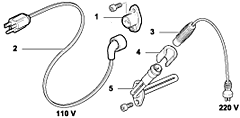
That's too bad, really, because engine heaters are actually elegantly simple, effective devices. In cold weather, there are all kinds of benefits to a pre-warmed engine: reduced emissions; improved fuel economy; reduced wear and tear on internal components, starter and battery; and most importantly, hot air out of the heater sooner. I did decide on one last month, and despite the hours long contortionist routine I had to perform to install it, I'm happy with the way it works. I made the decision after talking with the guy at the parts counter and looking over some of these options: Engine heater types, pros & cons (in no particular order)
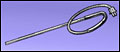
1) Dipstick heater: replaces your regular engine oil dipstick; the long, thin heating element warms your engine oil
2) Inline heater (non-circulating): splices into the (usually lower) coolant hose
3) Inline heater (circulating): splices into coolant hose (usually heater core hose), uses built-in pump to circulate coolant over its heating element and through the system
4) Frost plug style: replaces an existing frost plug; small to medium sized element warms coolant directly inside the block
5) External element (magnetic): sticks flat against block/oil pan
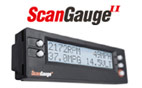
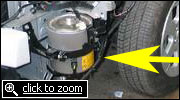
6) External element (bolt-on): attaches flat against block I won't address prices, except to say that the generic applications (dipstick heater) will probably be less expensive than custom fit (OEM external element), and the more complex heaters (inline circulating) will cost more than the simple styles (OEM frost plug). My experience I ended up getting a 300 watt/120 volt external bolt-on style, OEM fit to the Firefly's 1.0L block. I probably would have chosen a more efficient frost plug style if I'd had the option. And, now that I've looked more closely at the options, I'd also seriously consider a circulating inline heater if I had room for one. The installation was an hours-long contortionist's ordeal. The tiny engine block has precious little free real estate, so the mounting point was around back, underneath the intake manifold (which is good actually - a warmed intake/throttle body helps with fuel vapourization). It works well. Plugged in for an hour and a half to 2 hours, the engine temperature reads 40-50 F above ambient temperature at start-up, according to the ScanGauge. Warm air blows from the heater after about a minute of driving at 30F / 0C ambient (haven't had any really cold weather yet). Compare that to another Metro owner's experience with an inline non-circulating heater: he found that the coolant was boiling away in the lower rad hose, but the engine temperature only rose by about 10F over ambient (also ScanGauged). Those crazy Japanese Leave it to the engineers at Toyota to implement the most unique, clever and complicated method of pre-heating an engine.
In the latest generation (2004+) Prius, hot coolant is pumped from the cooling system into a 3 liter insulated thermos-style reservoir at shutdown, where it apparently stays hot overnight, and warm up to 3 days later. When switching the car back "ON", the hot (or warm) coolant is pumped from the thermos/reservoir back up to the engine's head where it contributes to quicker warming for better management of combustion to reduce emissions. I doubt it's as effective as a plug-in block heater - but then again, it's not strictly meant to replace one. (It works year round to ensure warmer starts in all temperatures.) Would be nice to have a Prius to try it out though. Those c-o-o-o-ld Scandinavians In my Internet travels on this topic, I came across a Norwegian company called DEFA that markets an entire automotive heating system. It's a combination block heater / battery charger / interior heater and control unit that ensures the vehicle is warm and ready to go. It's a far more efficient and environmentally friendly approach than the spreading North American penchant for remote car starters. Resources
darin AT metrompg D-O-T com, or here
|